
Joyful Resistance
Why Joy Is Most Powerful When It Refuses to Ignore Struggle
The first essay in the Building Community Infrastructure series.
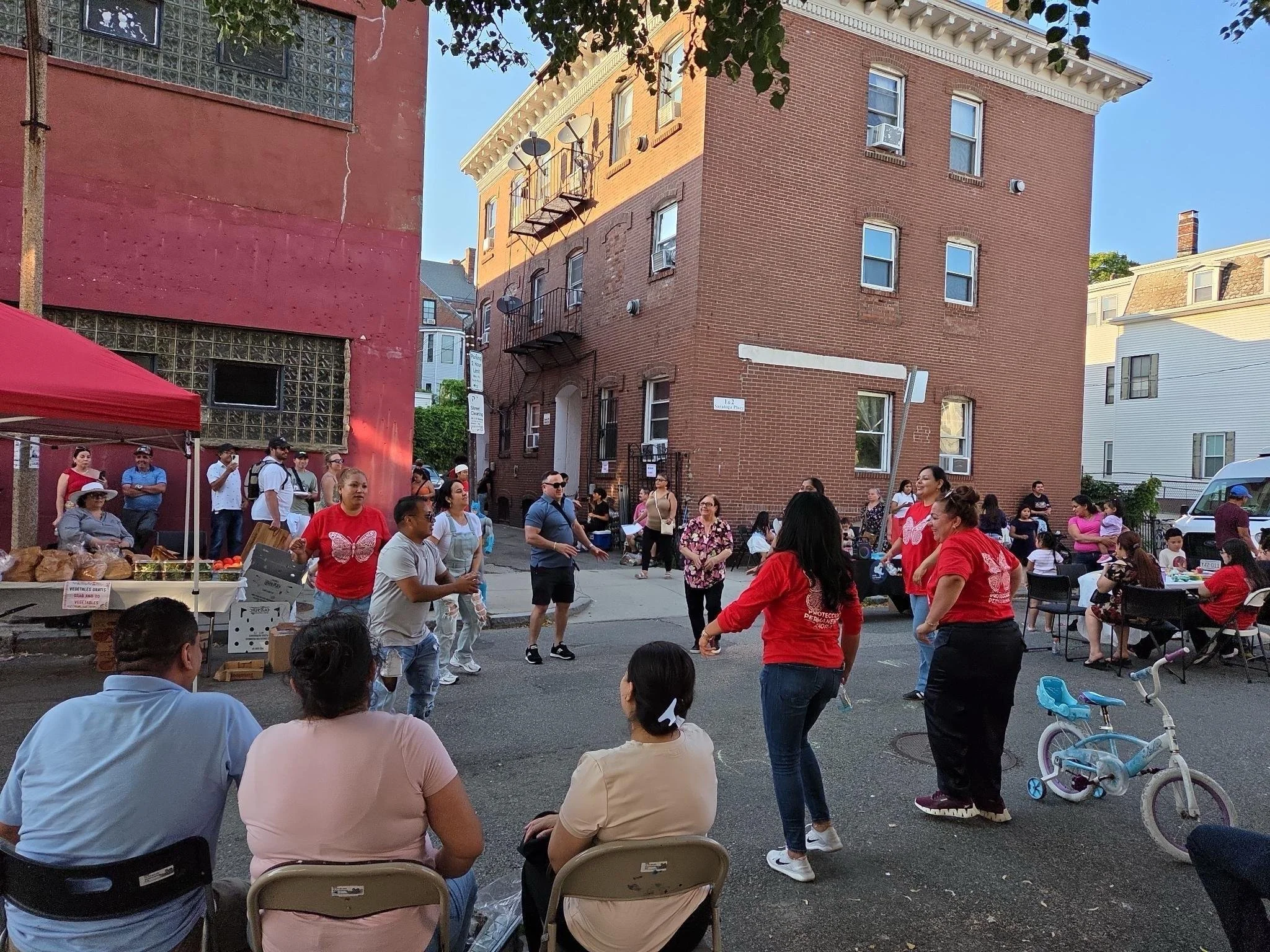
There has been a lot of conversation lately about joy.
I welcome it. We need more joy in our communities, our organizations, and our movements.
But I worry that we've begun talking about joy as though it exists apart from struggle—as if joy is the destination we reach once injustice has been overcome.
That isn't the joy I know.
The joy I know is louder than that. More resilient than that. More defiant than that.
It is the joy of immigrant families who gather around tables after working two jobs. It is the joy of neighbors who create art in communities that have been overlooked for generations. It is the joy of children dancing in neighborhoods where families are still worrying about rent, immigration status, food costs, or whether they will be able to stay in the community they love.
This kind of joy does not ignore hardship.
It looks hardship in the eye and refuses to surrender to it.
That is joyful resistance.
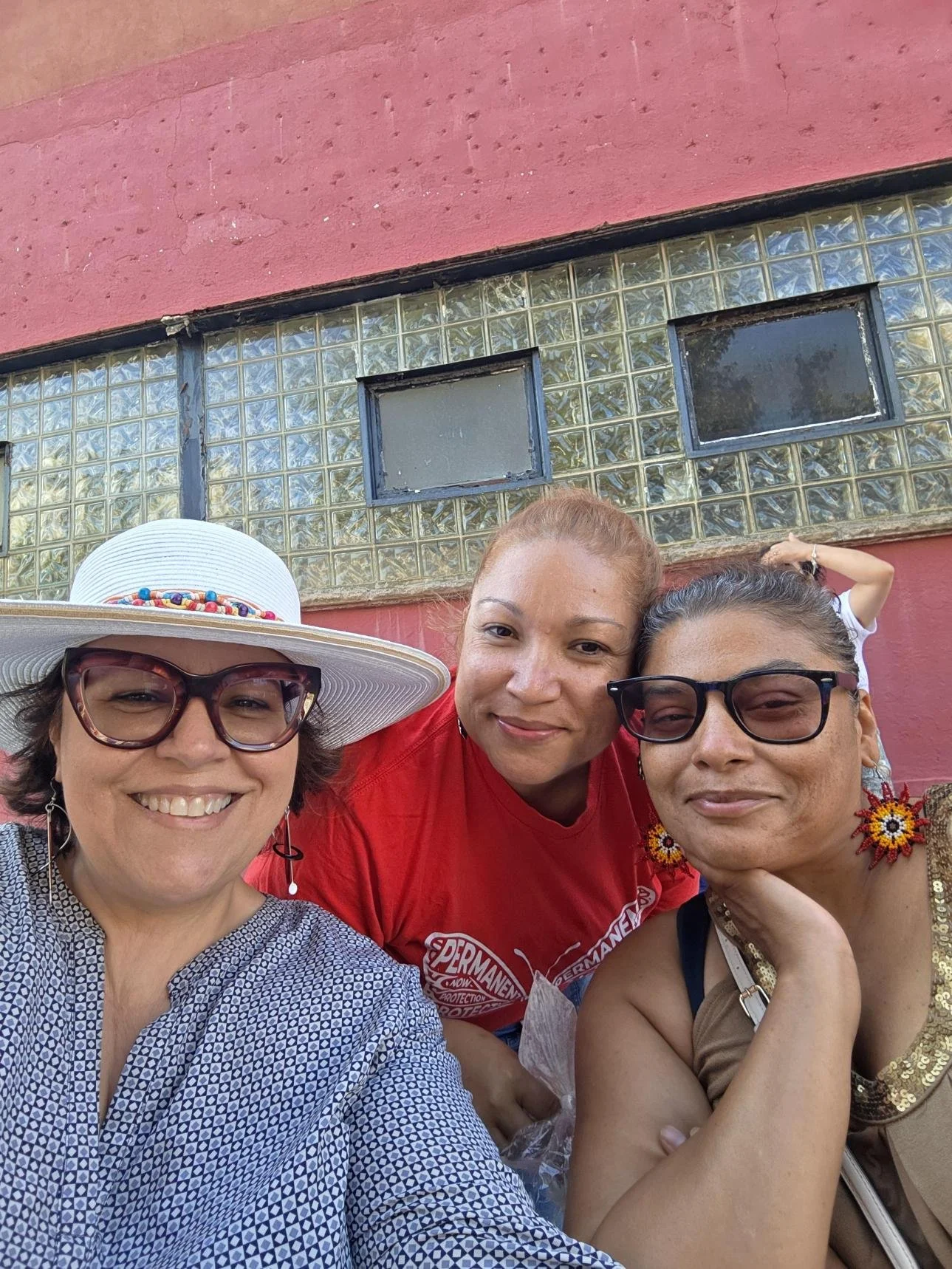
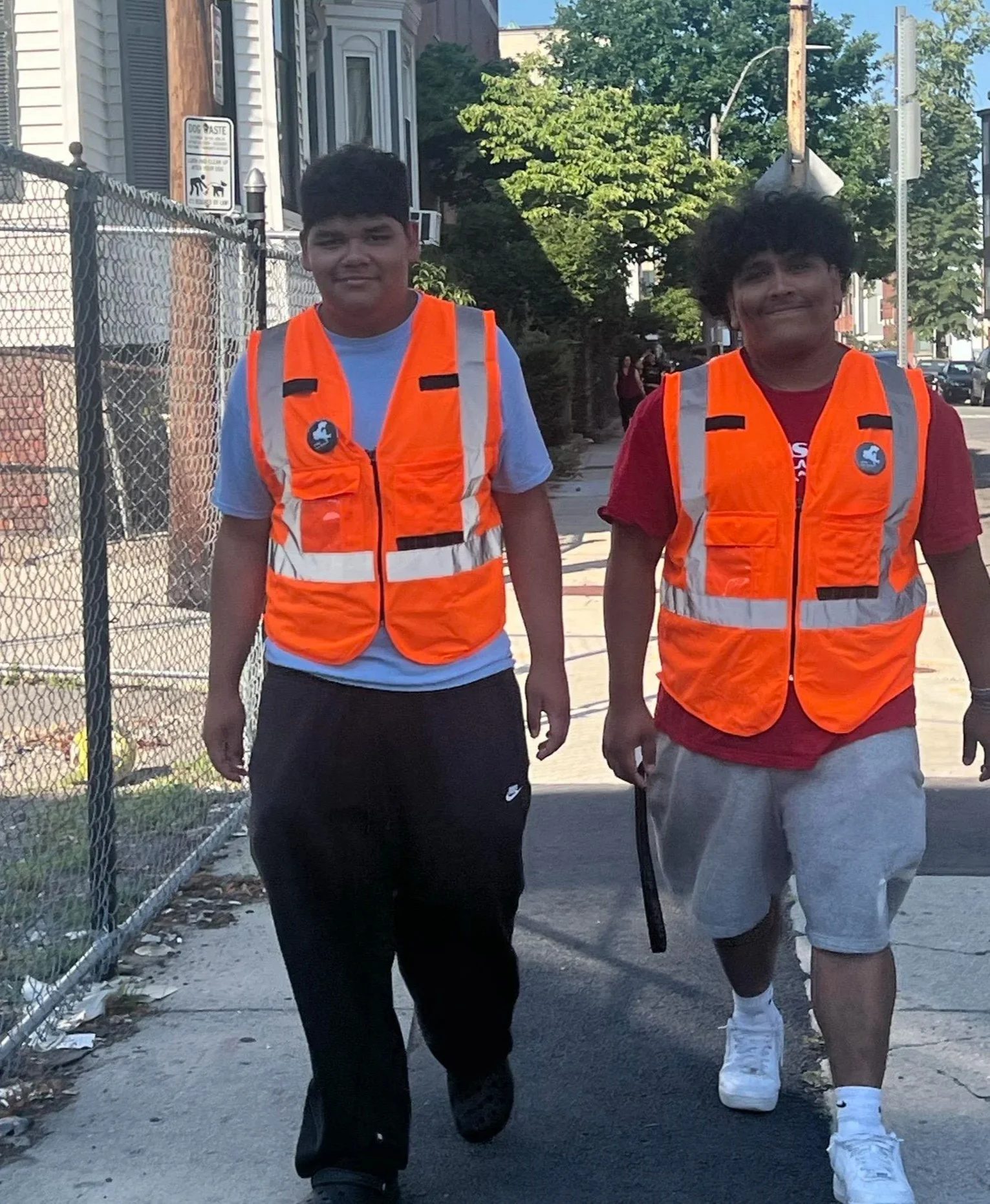
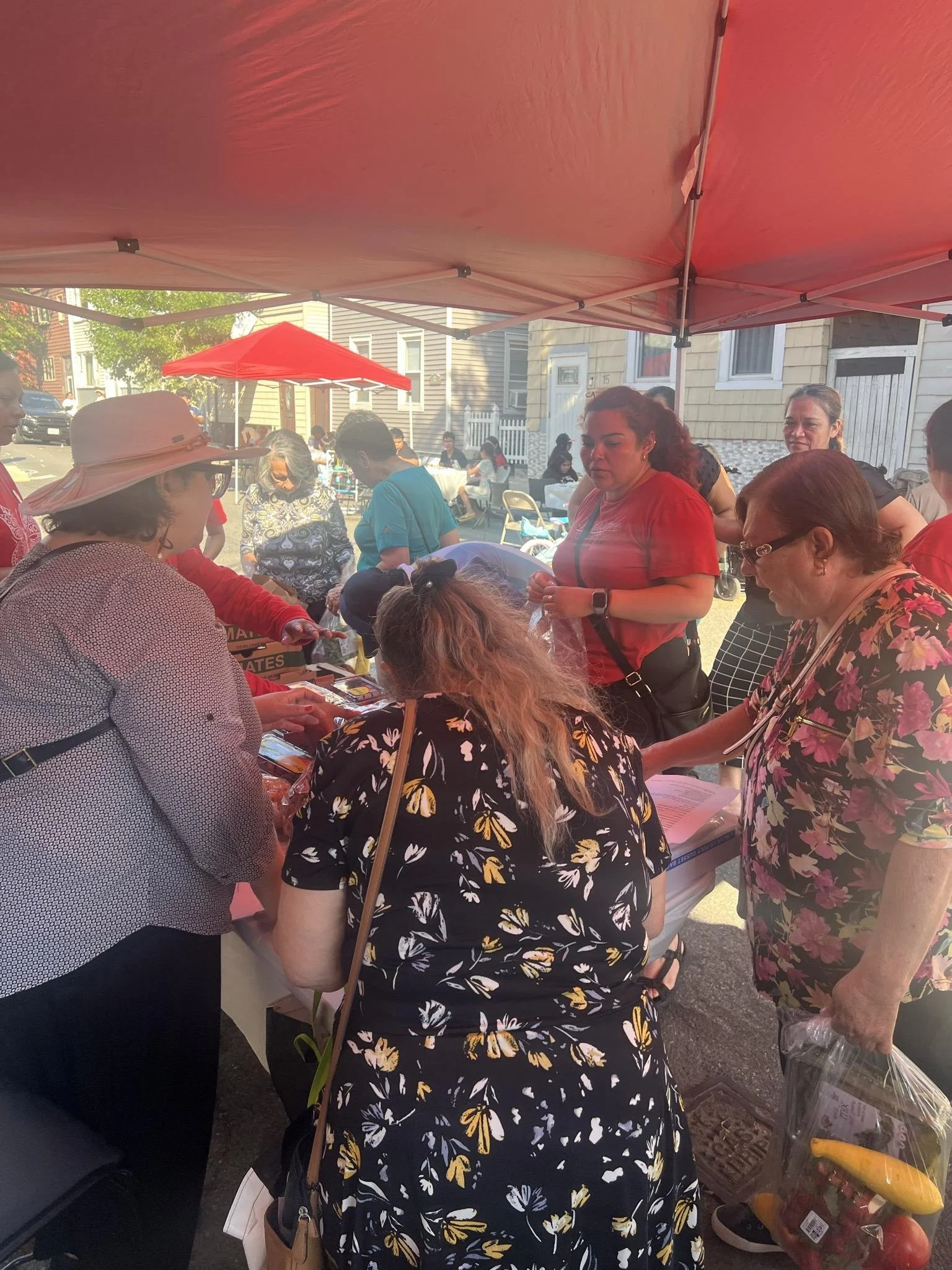
Last week, we partnered with NUBE for a block party in East Boston. There was music, conversation, art, children running through the crowd, rescued produce finding new homes, artisan bread shared between neighbors, and thirty-five community members enrolled in our new Grab & Go program.
Someone could have looked at that afternoon and simply seen a successful event.
I saw something else.
I saw a community practicing resistance.
Not resistance rooted in anger alone, but resistance rooted in belonging.
Every conversation between neighbors pushed back against isolation.
Every child laughing challenged the idea that neighborhoods struggling with inequality must also be deprived of beauty.
Every family carrying home affordable, healthy food resisted an economy that too often makes nutritious food inaccessible.
Every new Grab & Go registration represented more than a transaction. It represented one more household choosing a system designed around dignity instead of charity.
That distinction matters.
Too often, we design programs that ask people to prove they deserve help. We create systems that unintentionally communicate scarcity, shame, and dependence.
What if we designed differently?
Grab & Go isn't simply about rescued produce. It is an attempt to build infrastructure for dignity and safety.
Families pre-order by text.
They choose when to pick up.
They spend less time waiting.
They avoid standing in long public lines.
For many people, that is simply more convenient. But for others—including some immigrants navigating uncertainty around their immigration status or work authorization—it can also feel significantly safer and more private. No one should have to choose between feeding their family and feeling exposed.
Design matters.
When we eliminate unnecessary lines, reduce waiting, and create a predictable, low-barrier experience, we are doing more than improving efficiency. We are recognizing that dignity, privacy, and safety are essential parts of food access.
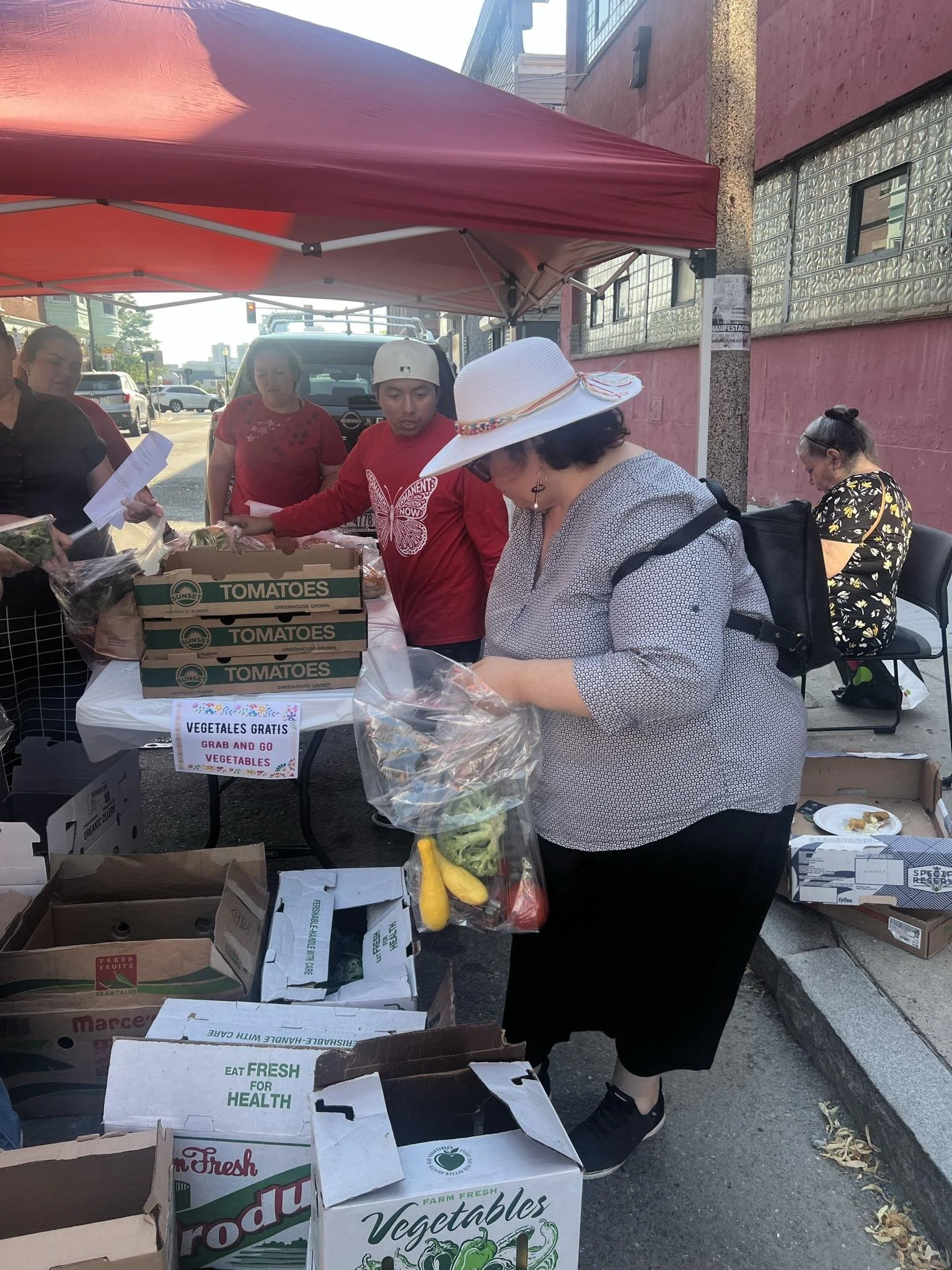
People become participants in a community food economy rather than passive recipients of a service.
That is not an accident.
It is infrastructure designed around human dignity.
For too long, we have treated joy as something extra—as something we pursue after the "real work" is done.
I believe the opposite.
Joy is part of the work.
Communities cannot organize without trust.
Trust cannot grow without relationships.
Relationships deepen when people gather, celebrate, create, eat together, and imagine together.
Joy is not separate from community building.
Joy is community building.
This is especially true in neighborhoods that have carried generations of struggle.
For communities that have experienced poverty, displacement, discrimination, or exclusion, joy is not an escape from reality.
It is one of the ways people survive reality.
It reminds us that we are more than the problems we are trying to solve.
It reminds us that our humanity cannot be reduced to statistics, grant reports, or headlines.
As I begin this series, Building Community Infrastructure, I hope to challenge some of the assumptions that shape the nonprofit sector and public policy.
I believe we have spent too much time building programs and not enough time building infrastructure.
Infrastructure is more than roads or buildings.
It is the web of relationships, opportunities, institutions, creativity, food systems, housing, education, and shared spaces that allow people and neighborhoods to thrive.
When we build that infrastructure well, economic mobility becomes possible.
Belonging becomes possible.
Resilience becomes possible.
Joy becomes possible.
Not because struggle has disappeared.
But because struggle no longer has the final word.
That is the joy I believe in.
That is joyful resistance.